







Search Results for: Roasted Aroma Type
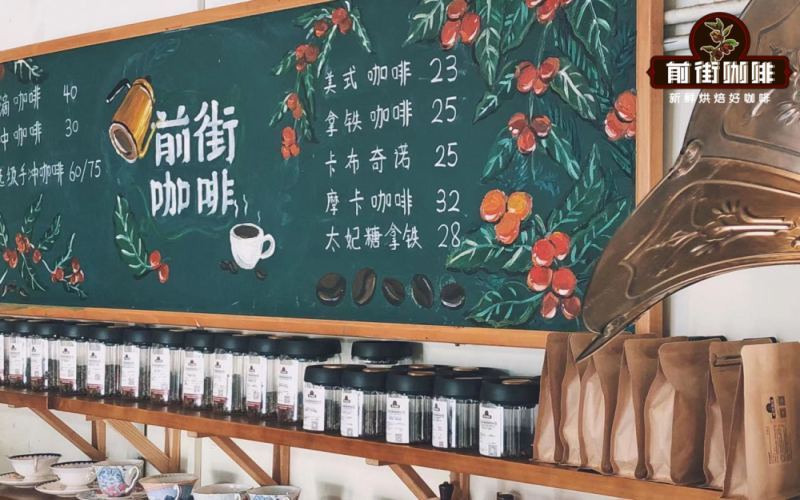
Espresso Flavor Analysis: Is Espresso Bitter, How to Taste It, and a Guide to Choosing Espresso Beans
Espresso is the drink least frequently ordered on its own in coffee shops, and many cafes even keep it hidden off the menu, making it only when a customer specifically asks. This article revolves around several core questions about Espresso: Is it actually bitter? How should you taste it? What makes it unique? Why do most cafes prefer to use espresso blends to make it? At the same time, Front Street Coffee has also put together several espresso bean recommendations suitable for stable extraction, covering a delicate winey type, a slightly acidic and full-bodied type, a balanced rich-aroma type, and a classic full-bodied type, for friends who want to recreate the espresso flavor at home. [more…]
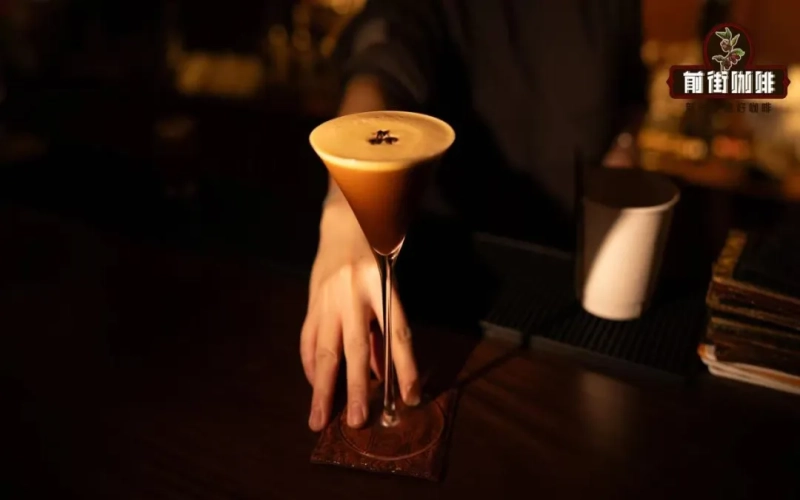
What coffee beans should you choose for specialty coffee drinks? A practical guide to selecting beans by flavor type
Signature coffee drinks emphasize balance among the flavors of various ingredients, rather than letting any single taste dominate. Many people who try to recreate signature drinks at home find the result falls short of expectations, and the problem often lies in the pairing of coffee beans with the other ingredients. This article divides signature coffee drinks into three categories—refreshing, rich fruity coffee, and deep and full-bodied—and explains the suitable coffee bean roast levels and specific recommendations for each, along with practical advice on adjusting ratios, to help you find the best balance between coffee and ingredients. [more…]
Is Tieguanyin a Type of Oolong Tea? The Origin of Its Name, Differences Between Anxi and Taiwan Craftsmanship, and the Correct Brewing Method
Tieguanyin is one of China's ten famous teas, commonly found in cafes across the Taiwan Strait and overseas, but the production styles of Anxi and Taiwan differ significantly. This article starts with Tieguanyin's classification as an oolong tea, outlining the complete process of Anxi Tieguanyin from picking, withering, shaking green, rolling, to roasting, tells the legend of Guanyin's dream behind the name "Tieguanyin," and compares the different flavors of Anxi's light-fermented floral type and Taiwan's heavily roasted strong-aroma type. At the end, correct gongfu brewing suggestions are included to help coffee enthusiasts and tea lovers understand the patience and charm of this tea, while also retaining relevant recommendations from the Front Street brand. [more…]
Why Is Coffee Floral Aroma So Hard to Detect? Explaining the Causes of Floral Aroma, Three Major Aroma Types, and Sensory Identification Training Methods
Many coffee enthusiasts, when brewing beans with prominent floral and fruity notes, can capture the floral aroma right from the grinding stage, but some people are never able to perceive this flavor. Where exactly does the floral aroma in coffee come from? Why are some people sensitive and others dull to it? Starting from Front Street's brewing experience, this article sorts out the compound sources of floral aroma and the influence of roasting, introduces the three major floral aroma categories in the coffee flavor wheel—delicate/fresh, subtle/elegant, and muted/heavy—along with their representative flowers, and shares a practical method for practicing floral aroma recognition with the help of sinus perception, to help you more accurately capture that fleeting fragrance in coffee. [more…]
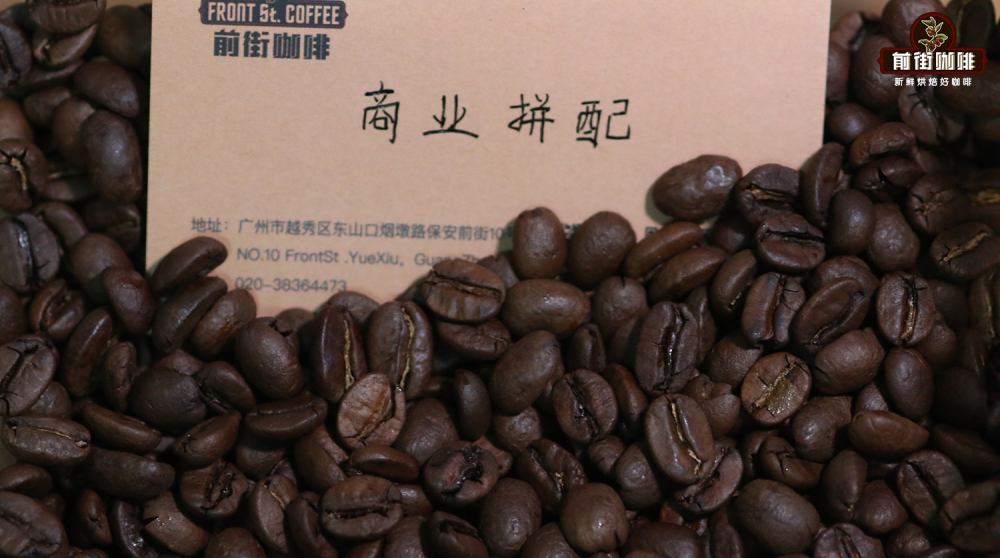
Comparison of Eight Coffee Bean Roast Levels|How do different roast levels affect coffee flavor? What is the specific process for roasting coffee beans?
Anyone who drinks coffee regularly knows that coffee beans come in different roast levels, and the flavor and mouthfeel they present are all different. As a café that roasts its own beans, Front Street has dozens of batches of coffee beans to roast every day. We know the flavors of light-roasted Yirgacheffe, medium-roasted Brazilian coffee, and the like like the back of our hand, and we also need to [more…]
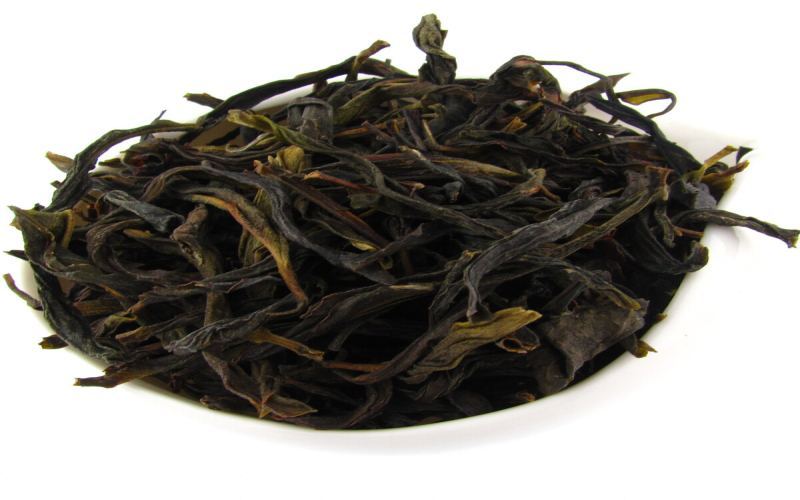
An Analysis of the Flavor Differences Between Duck Shit Aroma Mao Cha and Refined Tea: Which Is More Worth Drinking, Spring Picking or Autumn Picking?
As a star aroma type of Phoenix Dancong, Duck Shit Aroma presents strikingly different flavor profiles depending on the harvest season and roasting process. Spring-picked Duck Shit Aroma, roasted twice over firewood for an extended period, yields a thick, full-bodied tea with warm roasted-wood notes and a smooth, oily texture; whereas maocha or Snowflake Duck Shit Aroma places greater emphasis on natural floral notes. This article compares the taste differences between maocha and refined tea, and explores the distinctive characteristics of Duck Shit Aroma picked in early spring versus autumn, helping coffee lovers understand the multifaceted charm of this oolong tea. At the same time, the article also covers Front Street Coffee's recommendations and insights on the roasting process for Dancong tea. [more…]
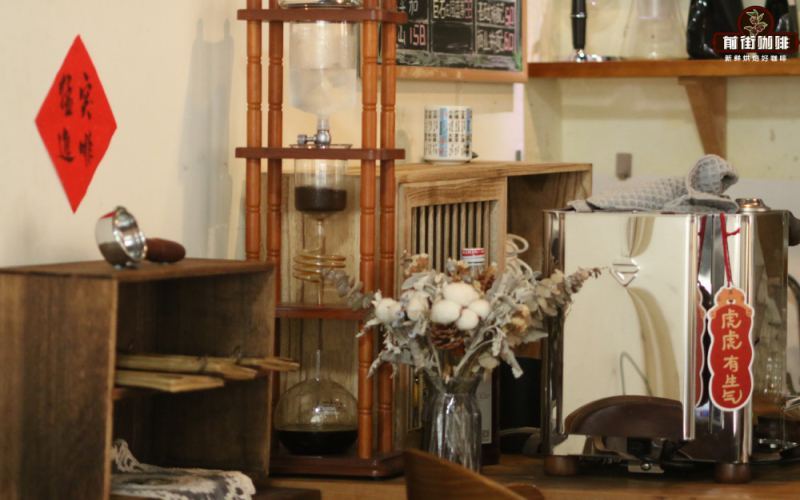
The Dutch Origins and Japanese Refinement of Cold Brew Coffee: A Full Analysis from Historical Roots to Brewing Parameters
Did ice drip coffee really not originate in the Netherlands? Many friends who come to Front Street Coffee are drawn in by the sight of ice water slowly dripping through an ice drip brewer, and become curious about exactly what kind of coffee this is. Ice drip coffee requires a long, slow extraction of 6 to 8 hours, so its output is limited and it is often in short supply. This article will begin with the historical origins of ice drip coffee, clarify the relationship between Dutch coffee, ice drip coffee, and cold brew coffee, then introduce in detail the structure and use of the ice drip brewer, and share specific brewing parameters using Costa Rica Mozart coffee as an example. Finally, Front Street will also recommend coffee beans suitable for making ice drip coffee according to four directions—tropical fruit fermented type, light and clean type, sweet and delicious type, and flavor blend type—to help everyone make a cup of rich yet not bitter ice drip coffee at home. [more…]
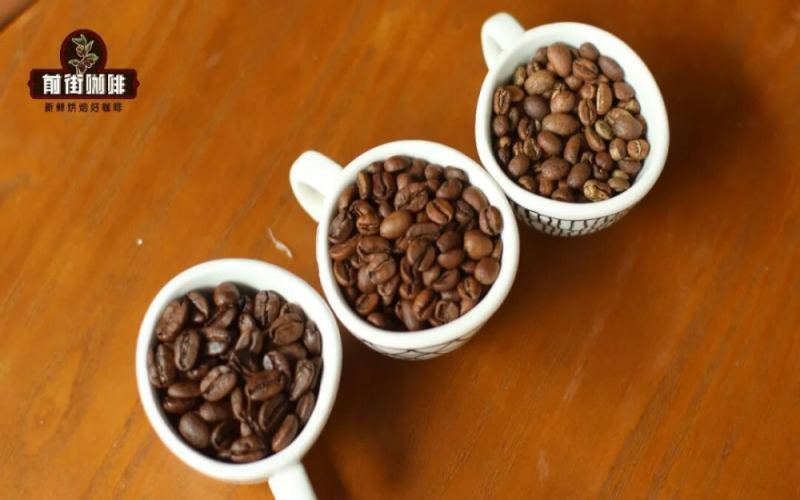
How Does Roast Level Determine SOE Performance? Why Light and Dark Roasts Are Unsuitable for Espresso
Roast level is one of the key variables affecting the direction of coffee flavor. From green beans to the cup, the roasting stage determines roughly thirty percent of the final taste. From the perspective of Front Street, this article sorts out the Maillard reaction and caramelization reaction that occur in coffee beans during roasting, explains the flavor characteristics presented by light, medium, and dark roasts, and focuses on answering a common question: why are both light-roasted and dark-roasted beans considered not quite suitable for SOE? At the same time, drawing on several specific Front Street products, it offers bean types and extraction suggestions suitable for making single-origin espresso, helping coffee enthusiasts more clearly understand the matching relationship between roast level and espresso. [more…]
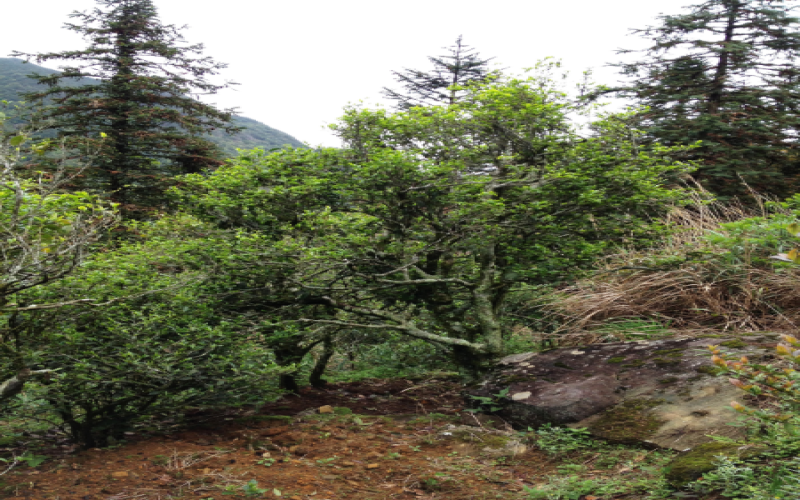
Do Honey Orchid Aroma and Snow Orchid Aroma Dan Cong belong to the same aroma type? Which tea estate brand's Honey Orchid Aroma Dan Cong is the most authentic?
The aroma classification system of Phoenix Dancong has always been a favorite topic among tea enthusiasts, and among these, Honey Orchid Aroma and Snow Orchid Aroma are often compared—are they actually the same aroma type? This article will analyze them from the perspectives of flavor characteristics, production techniques, and brewing methods to help readers clarify the differences and connections between these two classic Dancong varieties. At the same time, addressing the brand selection concerns of tea lovers, the article will also offer reference suggestions on authentic sources of Honey Orchid Aroma Dancong, along with specific parameters for both conventional and Gongfu brewing methods for daily drinking reference. [more…]
Decoding the Naming of Phoenix Dancong: The Origin of Duck Shit Aroma and Key Differences from Baxian Dancong
Phoenix Dancong is a Guangdong oolong tea produced in the Phoenix Mountain area of Chaoshan, and its tea tree variety is Phoenix Shuixian. In ancient times, each tree was made into its own tea with a confusing array of names, and later they came to be collectively called "Dancong." Its name is not just a gimmick: some are named by aroma type, some by leaf shape, some by size, some by place of origin, and some from a specific era and background. This article sorts out the naming basis of Phoenix Dancong, reviews the evolution of names from "Songzhong" and "Bird's Beak Tea" to Phoenix Shuixian, explains the origin and flavor characteristics of Duck Shit Aroma, and clarifies the difference between Duck Shit Aroma and Phoenix Baxian Dancong, helping coffee enthusiasts understand this type of tea with a clearer framework. [more…]
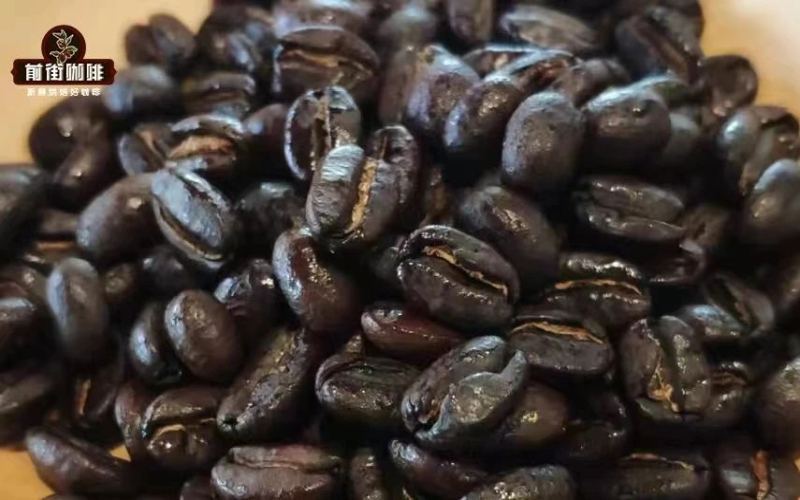
Are dark-roasted coffee beans necessarily burnt and bitter? What flavor do charred-black beans actually present?
Many people, when they hear "dark roast coffee beans," immediately think of burnt bitterness, heavy smoky flavors, or even find them hard to drink. But is that really the case? A properly roasted dark roast bean can actually offer pleasant notes of cocoa, dark chocolate, caramel, and nuts, with low acidity and a full body, balanced between sweetness and bitterness. Drawing on Front Street Coffee's roasting experience, this article sorts out the relationship between the Maillard reaction and roast level, and recommends a variety of Front Street medium-dark and dark roast products for different taste preferences, including Queen's Estate, PWN Golden Mandheling, Classic Blend, Specialty Blend, Commercial Blend, and Dark Cocoa Base Blend, helping coffee lovers find the rich, full-bodied choice that suits them. [more…]

How to Choose Americano Coffee Beans: Flavor Differences from Light to Dark Roast
Americano is typically made by adding water to espresso, though some also use drip or pour-over methods to present a similar refreshing black coffee. The roast level of the beans directly affects the balance of acidity and sweetness, aroma type, body, and length of finish. To pick a smooth Americano, start by considering whether you prefer bright fruity notes or caramel, cocoa, and [more…]
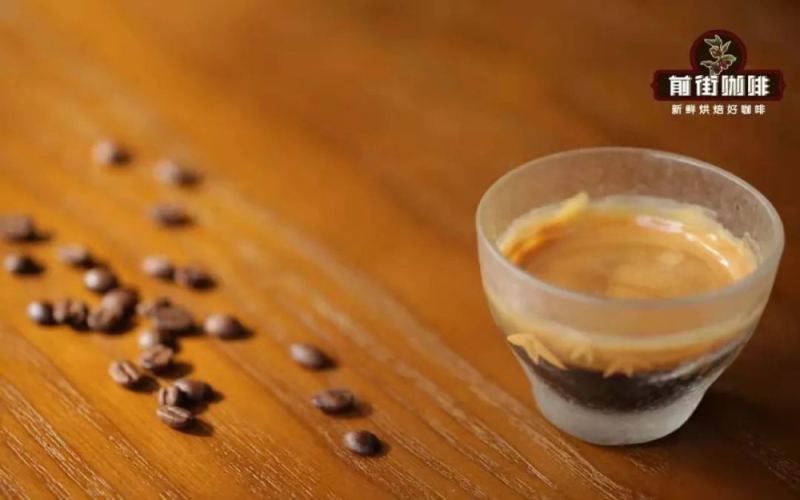
The Mystery and Origin of Espresso Crema: From Extraction Principles to a Detailed Look at Front Street Coffee's Four Blends
Although espresso has a relatively small audience in China, it is Italy's national drink. It was born in the 19th century and uses high temperature and high pressure for rapid extraction. The golden layer of oil on its surface is Crema, whose formation is closely related to nine atmospheres of pressure, the carbon dioxide in coffee beans, and oil emulsification. This extraction method originated from the Italian espresso machine invented and improved by Italians, and later spread around the world with Italians. The flavor of espresso is determined by the coffee beans, and most cafes use medium-dark roasted blend beans. Through repeated experiments, Front Street Coffee has launched four espresso blend beans, covering rich, slightly acidic, balanced, and wine-aroma styles, and provides reference extraction parameters and operational details to help enthusiasts produce consistent results. [more…]
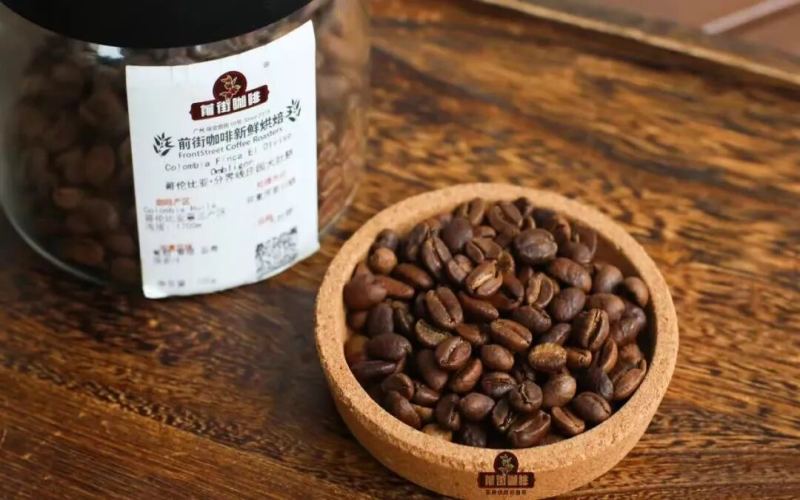
Coffee Bean Recommendations | What Is a Coffee Specialty Drink? Which Coffee Beans Are Suitable for Specialty Coffee Drinks? How Should Coffee Beginners Choose Coffee Beans for Making Specialty Coffee Drinks?
Specialty drinks are the third main category of coffee sold in coffee shops, alongside espresso-based and single-origin coffees. Specialty coffee drinks can be understood as the "cocktails" of the coffee world: creative beverages made by combining coffee with various traditional or non-traditional ingredients, setting them apart from conventional coffee. (Cof [more…]

The Complete Guide to Making Cold Brew Coffee: Bean-to-Water Ratio, Grind Size, and Blend Selection
To make a cup of full-bodied, well-balanced cold brew at home, bean selection and parameters are equally key. Starting from the extraction principles of cold brew, this article explains specific brewing parameters in detail, such as a 1:12 coffee-to-water ratio and an 85% pass rate through a No. 20 sieve, and recommends coffee beans suitable for cold brew by flavor type: from washed beans from African regions such as Kenya and Ethiopia, to sun-dried beans with soft fruit tones, to concrete-flavored blends such as Strawberry Candy and Butterfly, as well as chocolate-toned options from medium-dark and dark roasts. Finally, it shares a little trick—adding dried osmanthus or jasmine flowers to give the cold brew an extra layer of delicate floral aroma. Whether you prefer bright fruity acidity or rich cocoa, you can find the cup that suits you. [more…]
Exploring the Origins and Flavor Characteristics of Cold Brew Coffee: Front Street Coffee Shares How to Choose the Right Coffee Beans for Cold Brew
Cold brew coffee, with its unique low-temperature slow extraction method, delivers a rich yet non-bitter taste and has gained increasing popularity among coffee enthusiasts in recent years. So where exactly does cold brew coffee come from? And what is its connection to cold-brewed coffee and Dutch coffee? Drawing on the store experience of Front Street Coffee, this article traces the historical origins and brewing principles of cold brew coffee, explains in detail the structure of a cold brew tower and how to use it, and, combining several Front Street Coffee beans, offers bean selection ideas for friends with different taste preferences across four major categories—tropical fruit fermented type, clean and refreshing type, sweet type, and blended type—to help everyone make a satisfying cup of cold brew coffee at home. [more…]
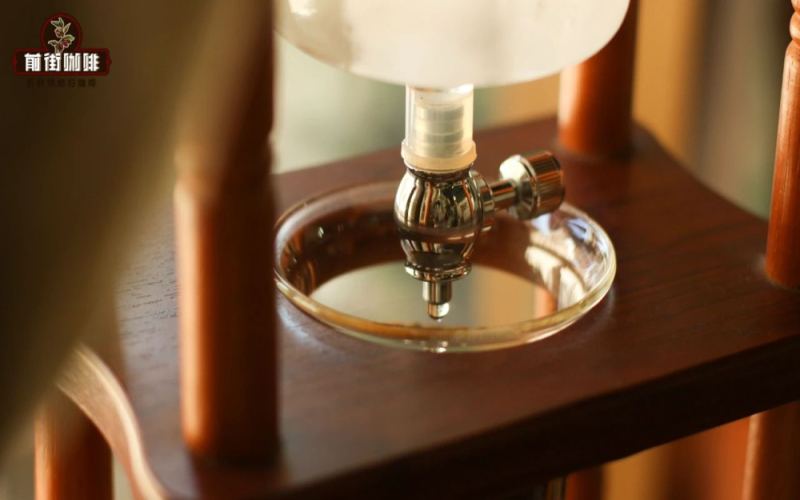
A Complete Guide to Cold Brew Coffee: From Dutch Origins to Bean Selection and Practical Parameters
Cold brew coffee, with its rich yet non-bitter taste brought about by low-temperature slow extraction, has become a highly popular coffee category in summer. This article begins with the definition and historical origins of cold brew coffee, sorts out the relationship between Dutch coffee, iced brewed coffee, and cold brew coffee, then breaks down in detail the structure and usage of the cold brew pot, and using Costa Rica Mozart coffee as an example, provides key parameters such as grind size, coffee-to-water ratio, and drip rate. The article also shares Front Street Coffee's specific recommendations for bean selection across four major categories—tropical fruit fermented type, crisp and clean type, sweet and delicious type, and flavor blend type—to help coffee enthusiasts make a cup of outstanding cold brew coffee at home. [more…]
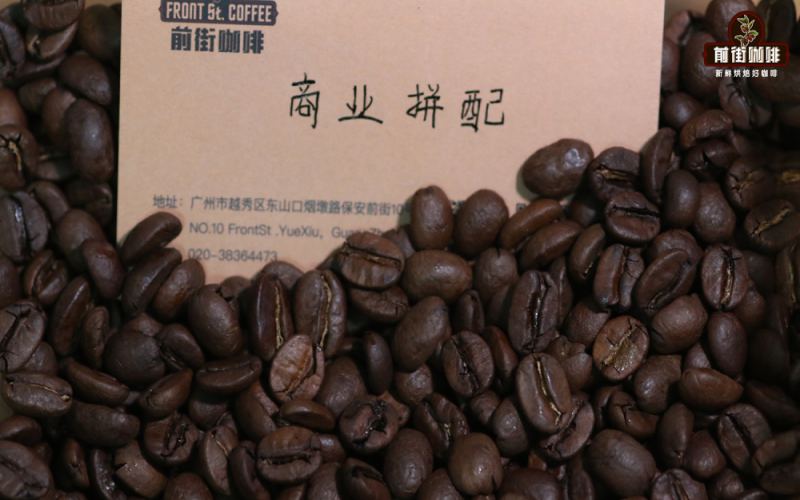
Common Types of Americano | How Many Flavors of Americano Are There? How Do Coffee Shops Serve Americano Black Coffee? Which Coffee Bean Blends Are Suitable for Making Americano?
No matter the season, Americano is the most frequently ordered drink in coffee shops. In winter, a hot Americano is warm and mellow, while in summer, an iced Americano is refreshing and delicious. So how is this drink, popular in every street and alley, made? Please follow Front Street Coffee to learn about it. Was Americano invented by Americans? Americano's [more…]
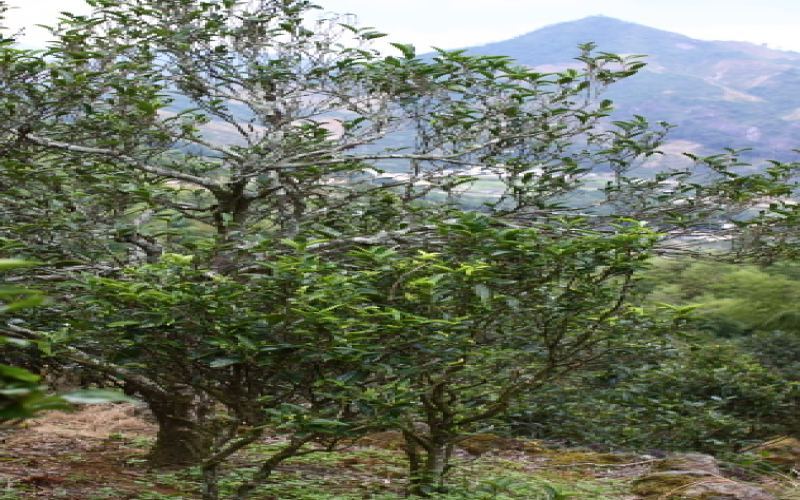
Is Huangzhixiang Dancong a light-aroma or strong-aroma type? A core comparison of Songzhong and Huangzhixiang Dancong
Phoenix Dancong is renowned for its rich variety of aroma types, among which Yellow Branch Aroma is highly favored for its elegant fragrance reminiscent of gardenia flowers. Starting from the degree of fermentation and roasting, this article answers whether Yellow Branch Aroma Dancong belongs to the light-aroma or strong-aroma type, and sorts out the differences between Songzhong Dancong and Yellow Branch Aroma Dancong in terms of cultivar origin, aroma characteristics, and flavor performance. It also introduces the production background of Phoenix Dancong, its ancient mother tree resources, and the brewing and re-steeping characteristics of Yellow Branch Aroma, helping coffee and tea enthusiasts gain a clearer understanding of this Guangdong oolong. The article also retains recommendation information related to the Front Street brand. [more…]
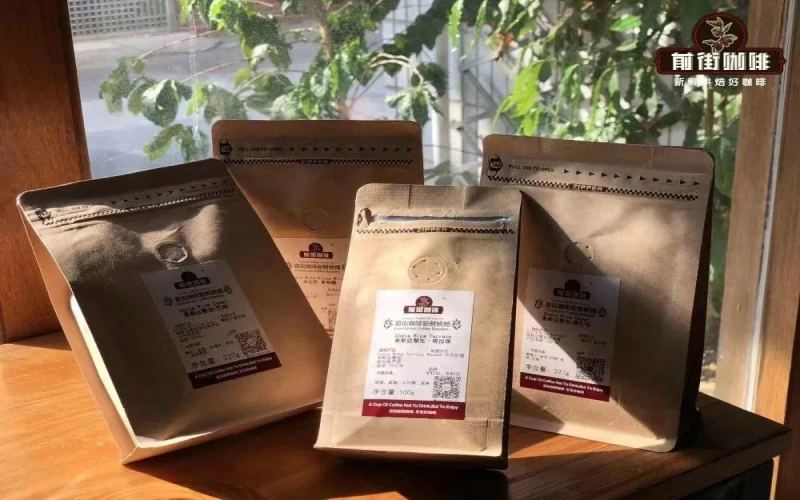
How to Choose Between Single-Origin Beans and Espresso Blends? A Complete Guide from Flavor Types to Buying Front Street Coffee Beans
Friends who are just getting into specialty coffee often find themselves overwhelmed by the dazzling array of coffee beans with no idea where to start. In fact, once you clarify the two main categories—espresso and pour-over—and then choose according to your taste preferences, you can easily find beans that suit you. This article starts with the stability and value for money of espresso blends, recommending three blends suitable for home use, then organizes a variety of single-origin pour-over beans by three types—fruity acidic, rich and bitter, and balanced—detailing their specific regions, altitudes, processing methods, and flavors, while retaining Front Street Coffee's brand purchasing information to help both beginners and advanced enthusiasts make quick decisions. [more…]